How Children Learn Best Through Hands-On Learning
Have you ever noticed that your child can spend hours building with blocks, creating art, conducting an experiment, or working on a project, yet struggle to stay engaged during a worksheet?
If so, you're not alone.
Many parents wonder how children learn best and why some learning experiences seem to capture their child's attention while others do not. While every child is unique, research and experience continue to show that many children learn best when they can actively participate in the learning process.
Instead of simply listening, reading, or memorizing information, children often thrive when they can explore, create, test ideas, and discover how concepts work in the real world. This approach is commonly known as hands-on learning, and it plays an important role in helping students develop both academic skills and confidence.
What Is Hands-On Learning?
Hands-on learning is an educational approach that encourages students to actively engage with what they are learning rather than simply receiving information.
For example, instead of reading about measurement, students might compare real objects and measure items around the classroom. Instead of memorizing facts about business and economics, students might create a product, solve a problem, or present an idea.
When students participate in the learning process, they often develop a deeper understanding of concepts and retain information longer because they have experienced it firsthand.
This type of learning is especially effective during the elementary years when children are naturally curious and eager to explore the world around them.
Why Many Children Learn Best by Doing
Children are natural explorers. From the time they are toddlers, they learn by touching, experimenting, asking questions, and observing outcomes.
Hands-on learning builds on this natural curiosity.
Rather than asking students to memorize information without context, it gives them opportunities to discover concepts through experience. Students become active participants in their education instead of passive observers.
When children can see, touch, build, discuss, and apply what they are learning, lessons become more meaningful and memorable.
This is one reason many educators believe children learn best when they are actively engaged in the learning process.
Building Confidence Through Experience
One of the greatest benefits of hands-on learning is the confidence it helps students develop.
When children solve a problem, complete a project, or discover a solution on their own, they begin to trust their abilities. They learn that mistakes are part of the learning process and that challenges can be overcome through effort, creativity, and persistence.
These experiences help students develop resilience and a growth mindset. Instead of fearing failure, they begin to see challenges as opportunities to learn and improve.
Over time, these small moments of success help children become more independent and confident learners.
Developing Real-World Skills
Academic knowledge is important, but children also need skills that will help them succeed throughout their lives.
Hands-on learning naturally develops skills such as:
- Problem solving
- Critical thinking
- Communication
- Collaboration
- Creativity
- Leadership
- Adaptability
As students work through projects and challenges, they learn how to think independently, communicate their ideas, listen to others, and work as part of a team.
These skills are increasingly valuable in today's world and help prepare students for future academic and career success.
The Montessori-Inspired Difference
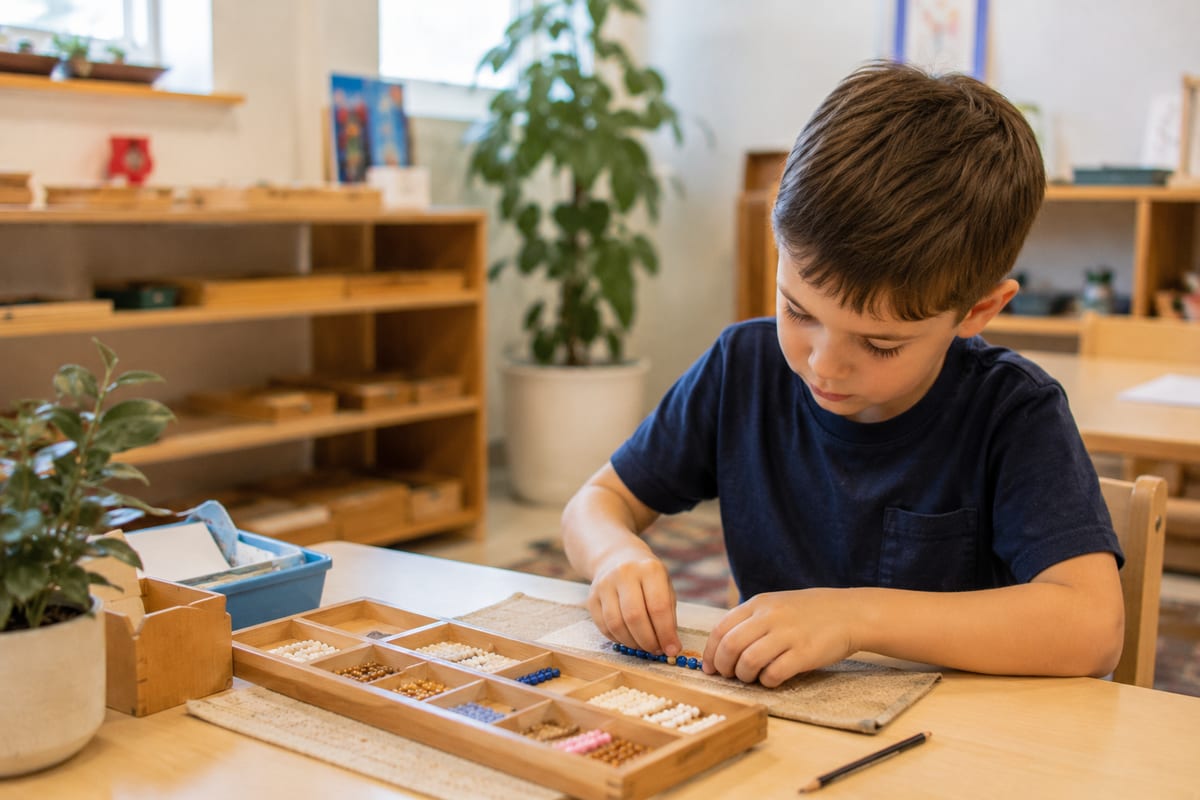
Montessori-inspired education has long recognized that children learn best when they are actively engaged in meaningful work.
Rather than expecting every student to learn the same thing at the same pace, Montessori-inspired classrooms provide opportunities for students to explore concepts, make choices, and take ownership of their learning.
Students work with hands-on materials that allow them to discover concepts through experience. They are encouraged to develop independence, responsibility, and self-motivation while receiving guidance and support from their teachers.
This approach helps children become confident learners who understand not only what they are learning but why it matters.
How Multi-Age Classrooms Support Learning
Another important aspect of Montessori-inspired education is the use of multi-age learning environments.
In multi-age classrooms, younger students learn from older peers while older students strengthen their own understanding by helping and mentoring others.
These environments create natural opportunities for collaboration, leadership, and community building.
Students learn that everyone progresses at their own pace, reducing unnecessary comparison and encouraging personal growth. This allows children to focus on learning rather than worrying about whether they are keeping up with everyone else.
Learning Through Projects and Entrepreneurship
At Ignite Entrepreneurship Academy, hands-on learning extends beyond traditional classroom activities.
Students regularly participate in project-based learning experiences that encourage them to apply their knowledge in meaningful ways. They ask questions, explore solutions, create projects, and present their ideas.
Entrepreneurship education introduces students to concepts such as innovation, leadership, responsibility, and problem solving from an early age.
Students learn how to identify challenges, develop creative solutions, work collaboratively, and communicate their ideas effectively. These experiences help students understand how learning connects to the real world.
Rather than simply completing assignments, students learn how to think like creators, innovators, and leaders.
Why More Families Are Looking for Hands-On Learning
Many families searching for a Utah charter school are looking for an educational approach that goes beyond memorization and standardized testing.
Parents want their children to be engaged in learning, develop confidence, and build skills that will serve them long after graduation.
Hands-on learning helps students become active participants in their education while fostering curiosity, independence, and creativity.
For many families throughout Utah County, these qualities have become just as important as academic achievement.
How Ignite Entrepreneurship Academy Helps Children Learn Best
At Ignite Entrepreneurship Academy, our Montessori-inspired approach is designed around the belief that children learn best when they are actively engaged in meaningful work.
Students participate in hands-on learning experiences, project-based activities, entrepreneurship education, and collaborative learning opportunities that help them connect classroom concepts to real-world applications.
Our multi-age learning environments encourage leadership, mentorship, and independence while allowing students to progress at a pace that meets their individual needs.
We believe education should do more than help students memorize information. It should help them become curious thinkers, confident communicators, creative problem solvers, and lifelong learners.
Frequently Asked Questions
What is hands-on learning?
Hands-on learning is an educational approach where students actively participate in the learning process through projects, activities, exploration, experiments, and real-world experiences rather than simply listening to instruction.
Why is hands-on learning important?
Hands-on learning helps students stay engaged, improve retention, build confidence, develop critical thinking skills, and better understand how concepts apply in real life.
Do all children learn best through hands-on learning?
Every child is unique, but many children benefit from opportunities to explore, create, and apply concepts through active participation. Hands-on learning can help make education more engaging and meaningful for a wide variety of learners.
How does Montessori-inspired learning support hands-on learning?
Montessori-inspired classrooms use carefully designed materials and self-directed activities that allow students to learn through discovery, develop independence, and gain a deeper understanding of concepts through experience.
What is project-based learning?
Project-based learning allows students to investigate real-world questions and challenges while applying academic concepts to meaningful projects. This approach encourages critical thinking, creativity, collaboration, and problem solving.
Final Thoughts
When parents ask how children learn best, there is rarely a one-size-fits-all answer. However, many children thrive when they have opportunities to explore, create, solve problems, and learn through experience.
Hands-on learning helps students stay engaged, build confidence, develop important life skills, and connect what they learn to the world around them.
When children are active participants in their education, learning becomes more meaningful, more memorable, and often more enjoyable.
That is why hands-on learning continues to be one of the most effective ways to help children grow into confident, capable, and lifelong learners.
Ready to join IEA?
Give your child a Montessori foundation and entrepreneurial wings. Apply to the Ignite Entrepreneurship Academy enrollment lottery today.
Apply to the lottery