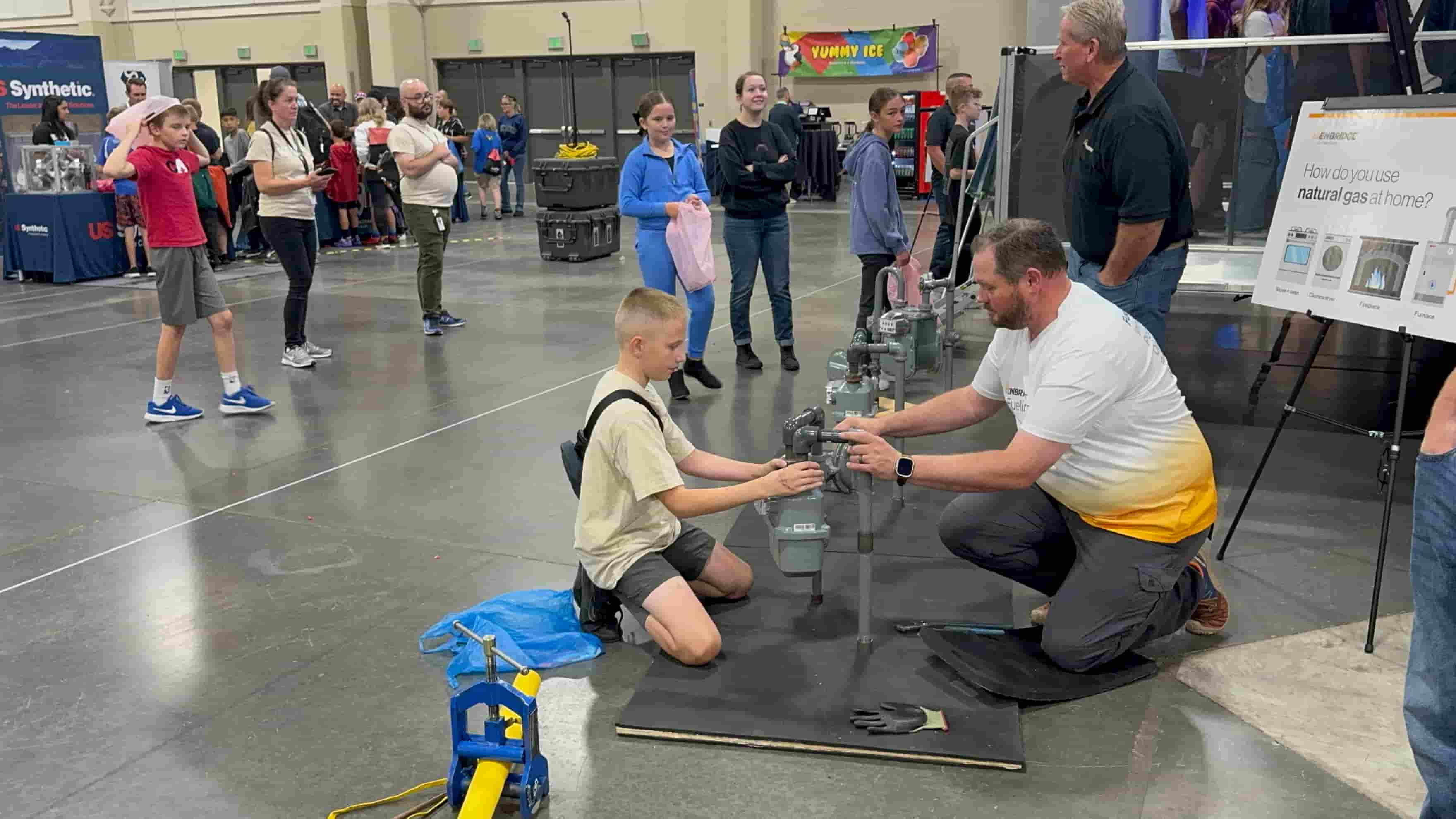
How Elementary Schools Teach Entrepreneurial Thinking (And Why It Matters for Kids)
When people hear the word entrepreneurship, they often picture adults launching startups or running businesses. But entrepreneurial thinking actually starts much earlier—and elementary school is one of the best times to introduce it.
At its core, entrepreneurial thinking isn’t about starting a company. It’s about how kids approach problems, ideas, and responsibility. When taught early, it helps children become confident decision-makers, creative thinkers, and self-directed learners.
What Is Entrepreneurial Thinking for Kids?
Entrepreneurial thinking in elementary school focuses on mindset, not money. It helps children learn how to:
- Identify problems and think of solutions
- Take initiative instead of waiting for instructions
- Learn from mistakes and try again
- Communicate ideas clearly
- Take ownership of their work
These skills apply to academics, relationships, and real-life situations—not just future careers.
Why Elementary School Is the Ideal Time
Young children are naturally curious and imaginative. They ask questions, experiment, and aren’t afraid to try new things. Traditional school models can unintentionally train kids to look for “right answers” instead of thinking independently.
Teaching entrepreneurial thinking early helps preserve that natural creativity while adding structure and responsibility. Kids learn that effort matters, ideas can evolve, and challenges are opportunities—not failures.
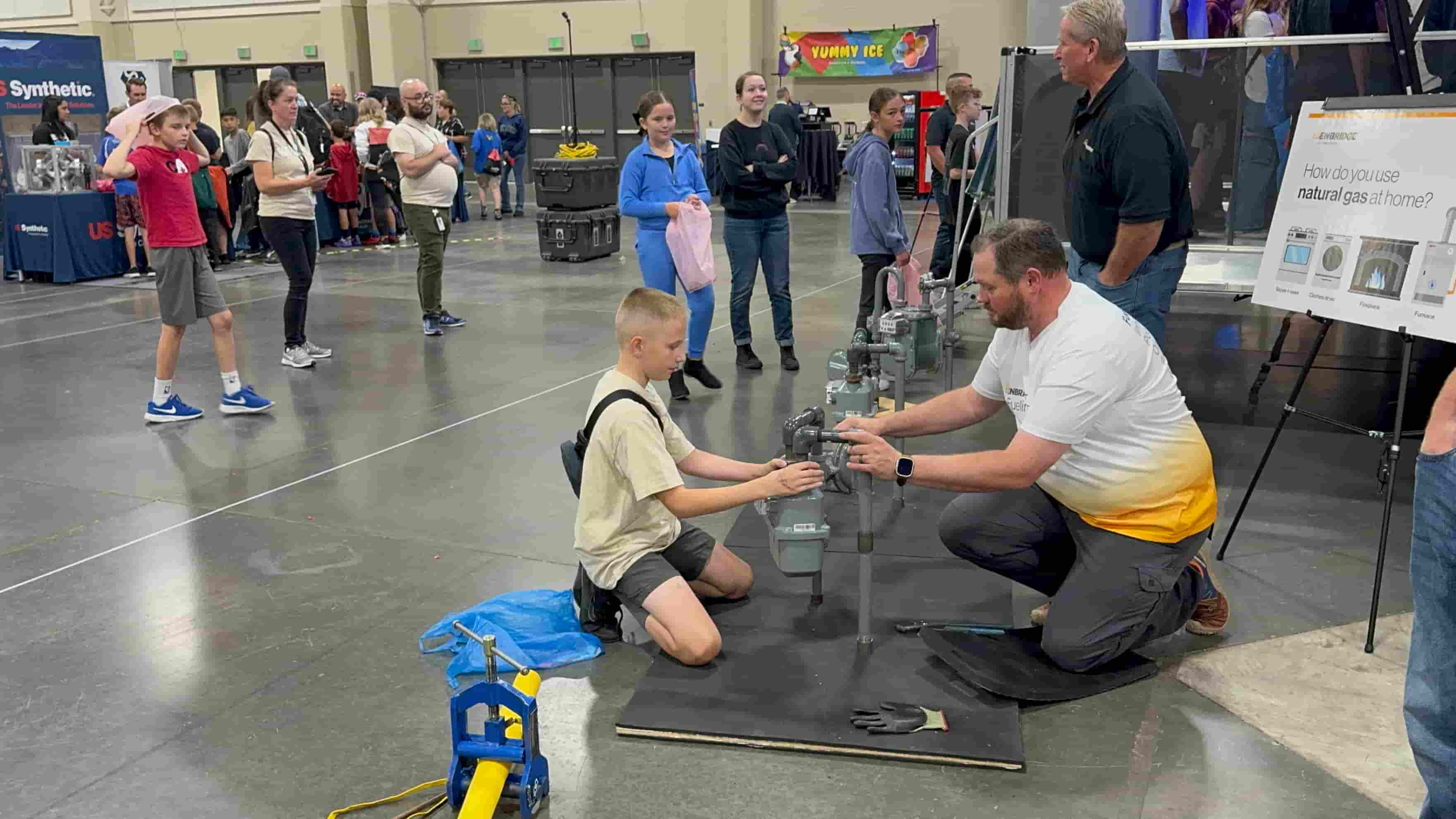
What Entrepreneurial Learning Looks Like in Practice
In an elementary setting, entrepreneurial learning often shows up through:
Project-based learning
Students work on meaningful projects that solve real problems. This could be designing something, researching a community issue, or creating a presentation for an authentic audience.
Student choice and ownership
Children are given options in how they learn, what they explore, or how they demonstrate understanding. This builds confidence and motivation.
Reflection and iteration
Instead of grading only the final product, students reflect on what worked, what didn’t, and how they’d improve next time.
Collaboration and communication
Kids learn to work with others, share ideas, listen to feedback, and explain their thinking—skills that matter in every area of life.
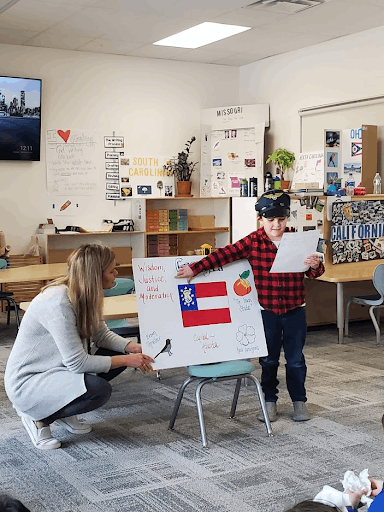
The Long-Term Benefits for Kids
When children practice entrepreneurial thinking in elementary school, the benefits compound over time:
- Stronger problem-solving skills
- Increased confidence and independence
- Greater engagement in learning
- Better adaptability when challenges arise
- A growth mindset toward mistakes and feedback
These students don’t just memorize information—they learn how to think.
Preparing Kids for a Changing World
The world our children are growing up in is constantly evolving. Many future jobs don’t exist yet, and success will depend more on adaptability and creativity than memorization.
By teaching entrepreneurial thinking in elementary school, we’re giving kids tools they can use anywhere—whether they become engineers, artists, business owners, or something entirely new.
Entrepreneurial education isn’t about pushing kids to grow up faster. It’s about trusting them with meaningful learning experiences that help them grow stronger, more capable, and more confident—one idea at a time.
Ready to join IEA?
Give your child a Montessori foundation and entrepreneurial wings. Apply to the Ignite Entrepreneurship Academy enrollment lottery today.
Apply to the lottery