Montessori vs. Traditional School: A Utah County Comparison
Parents in Utah County have more school choices than ever—traditional public schools, charter schools, private programs, and fully Montessori programs like Ignite Entrepreneurship Academy. With so many options, families often want to understand the real differences between Montessori and traditional education so they can choose a school that fits their child’s needs and learning style.
This guide breaks down the two models side by side and explains how Montessori is being used in Utah County today.
What Is Montessori?
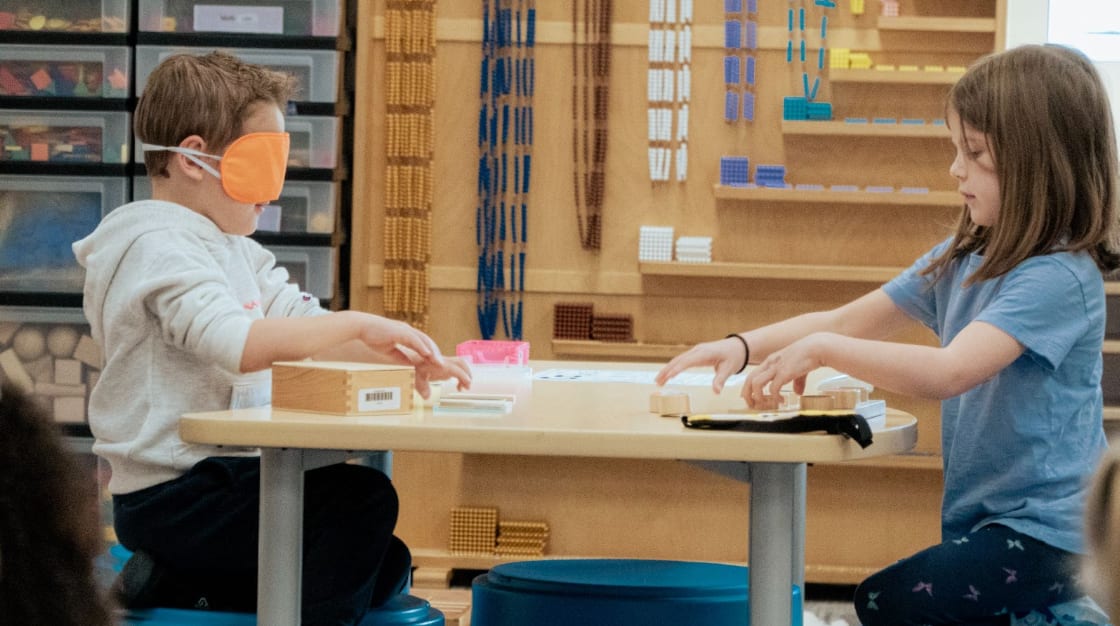
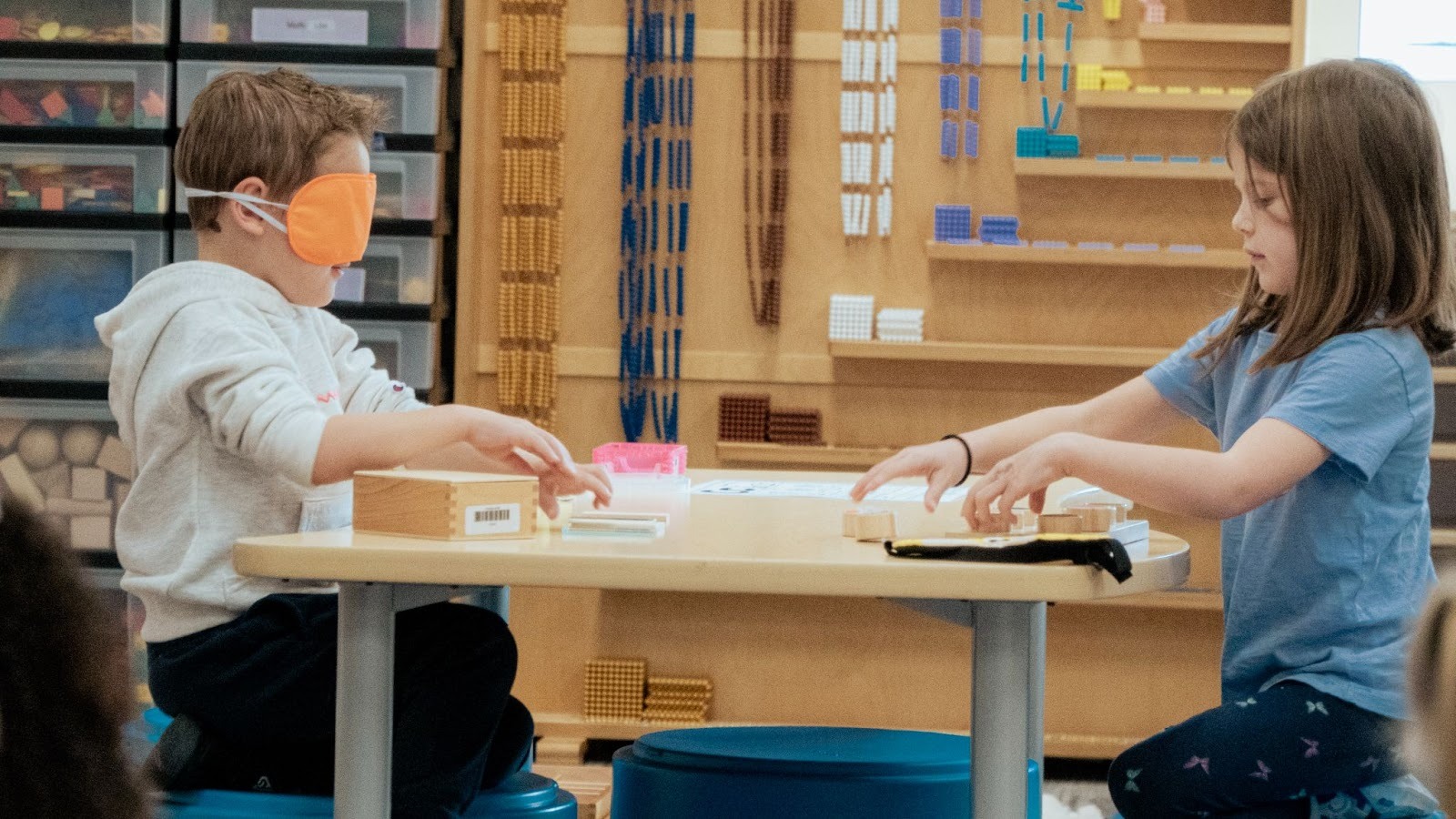
Montessori education is built on independence, hands-on learning, movement, and a deeply respectful approach to child development. The classroom environment is intentionally calm, beautifully prepared, and designed to help children take ownership of their learning.
Key Montessori features include:
• Multi-age classrooms
• Uninterrupted work periods
• Hands-on, self-correcting materials
• Freedom of movement and choice
• Teachers who guide rather than lecture
• A strong focus on responsibility and independence
In Utah County, Montessori schools include both private programs and public charters like Ignite, which is a Montessori school that also integrates project-based learning and entrepreneurial experiences.
What Is a Traditional School?
Traditional public schools follow a teacher-led, grade-level structure with whole-group instruction and standardized pacing. These schools typically emphasize:
• Grade-level classrooms
• Teacher-directed lessons
• Frequent transitions and segmented subjects
• Worksheets, textbooks, and digital assignments
• Tests and quizzes
• Homework as a regular expectation
The structure can be predictable and familiar, but often leaves less room for independence, exploration, or individualized pacing.
Montessori vs. Traditional School: Side-by-Side Comparison
1. Classroom Structure
Montessori
Students learn in multi-age classrooms, choosing work that fits their readiness level. This builds leadership, confidence, and independence.
Traditional
Students are grouped strictly by age and progress together through the same lesson and curriculum.
2. Teaching Style
Montessori
Teachers observe, guide, and provide individualized lessons. Students move through concepts when they are developmentally ready.
Traditional
Teachers lead whole-class instruction, explaining concepts to everyone at the same time.
3. Learning Materials
Montessori
Hands-on materials designed to deepen understanding through exploration and self-correction.
Traditional
Textbooks, digital tools, worksheets, and teacher-created assignments form the core of instruction.
4. Pace of Learning
Montessori
Children progress at their own pace, repeating lessons as needed and moving forward when ready.
Traditional
The entire class moves according to a pacing guide, regardless of individual readiness.
5. Movement
Montessori
Movement is encouraged. Students choose their workspace, move around the room, and shift tasks when ready.
Traditional
Movement is limited and scheduled. Much of the day is spent sitting at desks.
6. Assessments
Montessori
Assessment happens through observation, student reflection, and demonstration of mastery.
Traditional
Tests, quizzes, grades, and written assignments measure progress.
7. Homework
Montessori
Many Montessori schools—including Ignite—use no homework. The belief is that meaningful learning continues outside of school through family time, reading, creativity, and real-life experiences.
Traditional
Homework is assigned regularly to reinforce lessons.
Why Utah County Families Are Choosing Montessori
As cities like Lehi, Saratoga Springs, Eagle Mountain, Highland, and Draper continue to grow, parents are looking for schools that feel calm, purposeful, and aligned with child development—not pressure or worksheets.
Families choose Montessori because they want:
• Independence and responsibility
• Hands-on, meaningful work
• Calm, respectful classrooms
• Less pressure and fewer worksheets
• A school that honors each child’s pace
• A whole-child educational approach
Montessori programs support creativity, confidence, focus, and real-world readiness.
How Ignite Implements Montessori Education
Ignite Entrepreneurship Academy is a Montessori school, combining authentic Montessori foundations with project-based learning and entrepreneurial thinking. Ignite’s approach includes:
• Multi-age classrooms
• Long, uninterrupted work cycles
• Montessori materials and lessons
• Freedom within structure
• Movement throughout the day
• Responsibility and classroom ownership
Ignite builds on Montessori by giving students opportunities to engage in:
• Real-world projects
• Innovation labs
• Collaboration and problem-solving
• Early entrepreneurial thinking
It’s a Montessori environment—enhanced with hands-on projects that prepare students for real-life skills.
Which Model Fits Your Child?
Montessori tends to be a strong fit for children who:
• Learn best through hands-on exploration
• Need movement and independence
• Thrive in calm, structured environments
• Are curious, observant, or self-directed
Traditional schools may work better for children who:
• Prefer teacher-led lessons
• Enjoy predictable whole-group routines
• Feel comfortable with structured pacing and assignments
Both models support learning—what matters most is the match between your child and the environment.
Ready to join IEA?
Give your child a Montessori foundation and entrepreneurial wings. Apply to the Ignite Entrepreneurship Academy enrollment lottery today.
Apply to the lottery