Summer Learning Without Worksheets: 15 Simple Activities That Keep Kids Learning
When summer arrives, many parents worry about the dreaded "summer slide" and wonder how to keep their children learning without turning summer break into school at home.
The good news is that learning doesn't have to come from worksheets.
In fact, some of the most meaningful learning experiences happen when children are exploring, creating, building, and solving real-world problems. These experiences help children strengthen academic skills while maintaining the curiosity and excitement that make summer special.
Here are 15 simple ways to keep kids learning throughout the summer.
1. Start a Lemonade Stand or Small Business
Entrepreneurship can begin at any age.
Encourage your child to create a small business, whether it's a lemonade stand, handmade crafts, baked goods, or pet sitting. They'll practice math, communication, problem solving, and creativity along the way.
2. Create a Summer Reading Challenge
Visit your local library and let your child choose books that interest them.
Consider creating a simple reading goal and celebrating milestones throughout the summer.
3. Plan a Family Road Trip
Ask your child to help plan the route, calculate distances, estimate travel times, and research interesting stops.
This activity naturally builds geography and math skills.
4. Grow a Garden
Gardening teaches responsibility, science, observation, and patience.
Even a small container garden can provide valuable learning opportunities.
5. Cook Together
Cooking is one of the best hands-on learning activities available.
Children practice measuring, fractions, reading instructions, sequencing, and problem solving while creating something they can enjoy.
6. Visit a Museum
Museums provide opportunities for children to explore history, science, art, and culture in engaging ways.
Ask questions and encourage curiosity rather than focusing on memorizing facts.
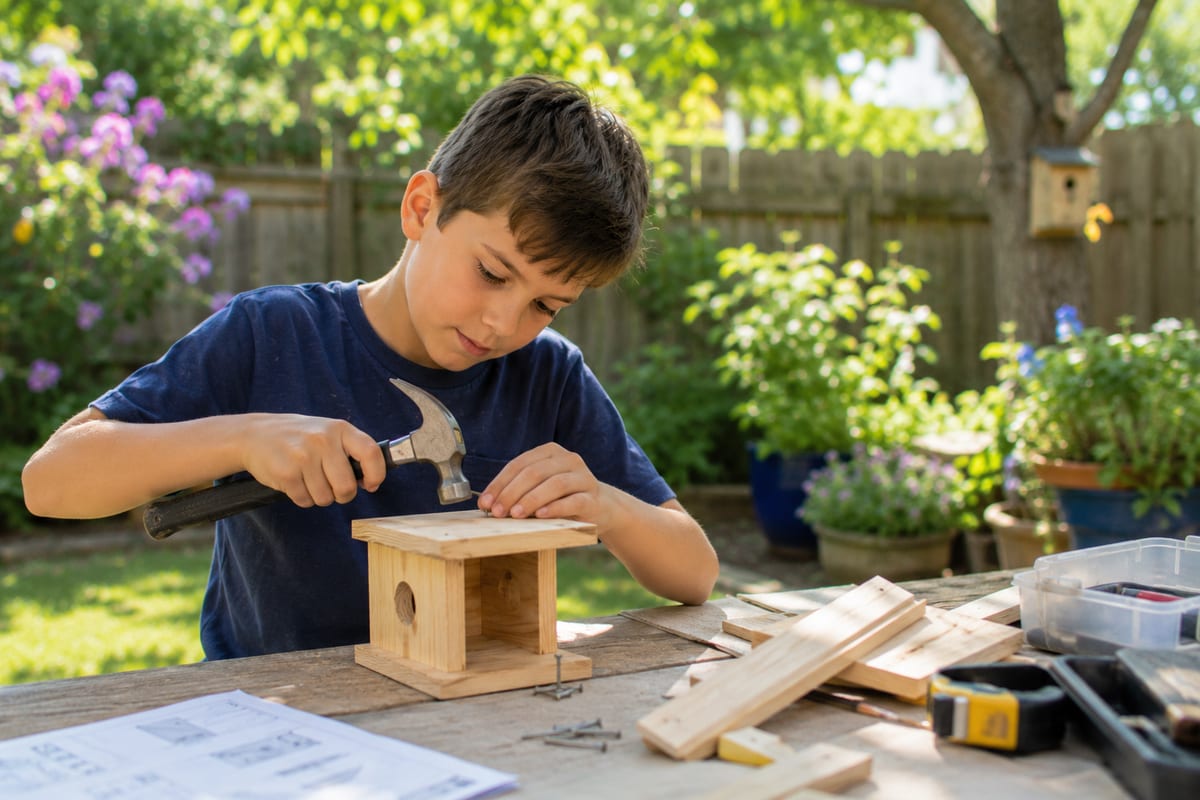
7. Build Something
Whether it's a birdhouse, a blanket fort, a Lego creation, or a backyard project, building activities develop creativity, engineering skills, and perseverance.
8. Keep a Summer Journal
Encourage children to write about their adventures, draw pictures, or record observations.
Journaling helps strengthen writing skills while preserving memories.
9. Explore Nature
Take walks, visit parks, go hiking, or observe wildlife.
Nature provides endless opportunities for learning about science and the world around us.
10. Learn a New Skill
Summer is a great time to learn something new.
Cooking, dancing, sewing, photography, coding, music, and art all help children develop confidence and creativity.
11. Create a Family Budget
Give children a small budget for a family activity or outing and let them help make decisions.
This introduces financial literacy in a practical way.
12. Interview a Family Member
Encourage children to ask grandparents or relatives about their childhood experiences.
This develops communication skills and helps children connect with family history.
13. Solve Real Problems
Ask children for ideas when challenges arise around the house.
Whether organizing a space or planning an activity, involving children helps them practice critical thinking and problem solving.
14. Create Something to Share
Children can write a story, produce a short video, build a model, create artwork, or design a presentation.
Creating encourages deeper learning than simply consuming information.
15. Let Them Be Curious
Perhaps the most important activity is allowing children time to explore their own interests.
When children have opportunities to ask questions, investigate ideas, and pursue curiosity, meaningful learning naturally follows.
Why Real Learning Matters
At Ignite Entrepreneurship Academy, we believe children learn best when they are actively engaged in meaningful work.
Whether students are participating in project-based learning, exploring hands-on materials, developing entrepreneurial thinking, or collaborating with classmates, learning becomes more powerful when children can connect it to real experiences.
Summer provides countless opportunities to continue that type of learning at home.
Frequently Asked Questions
How can I prevent summer learning loss?
Encourage reading, hands-on activities, problem solving, and opportunities for children to explore their interests. Consistent learning experiences are often more effective than worksheets alone.
How much educational activity should children do during summer?
Learning can happen naturally throughout the day. Reading, creating, exploring, and participating in real-world activities all contribute to continued growth.
Are worksheets necessary during summer break?
Not necessarily. Many children learn effectively through hands-on experiences, projects, reading, conversations, and exploration.
Final Thoughts
Summer does not need to look like school for learning to continue.
By giving children opportunities to read, create, explore, build, and solve problems, parents can help their children continue growing while still enjoying the freedom and fun of summer break.
Some of the most valuable lessons children learn happen when they don't even realize they're learning.
Ready to join IEA?
Give your child a Montessori foundation and entrepreneurial wings. Apply to the Ignite Entrepreneurship Academy enrollment lottery today.
Apply to the lottery