What Is Project-Based Learning? A Simple Guide for Parents
Project-Based Learning—often called PBL—is becoming one of the most popular approaches in modern education. Many charter schools in Utah (including those around Lehi, Draper, and greater Utah County) use it because it helps students understand concepts deeply rather than memorizing them for a test.
Here is a simple explanation of what project-based learning is, why schools use it, and what it looks like in real classrooms.
Project-Based Learning in One Sentence
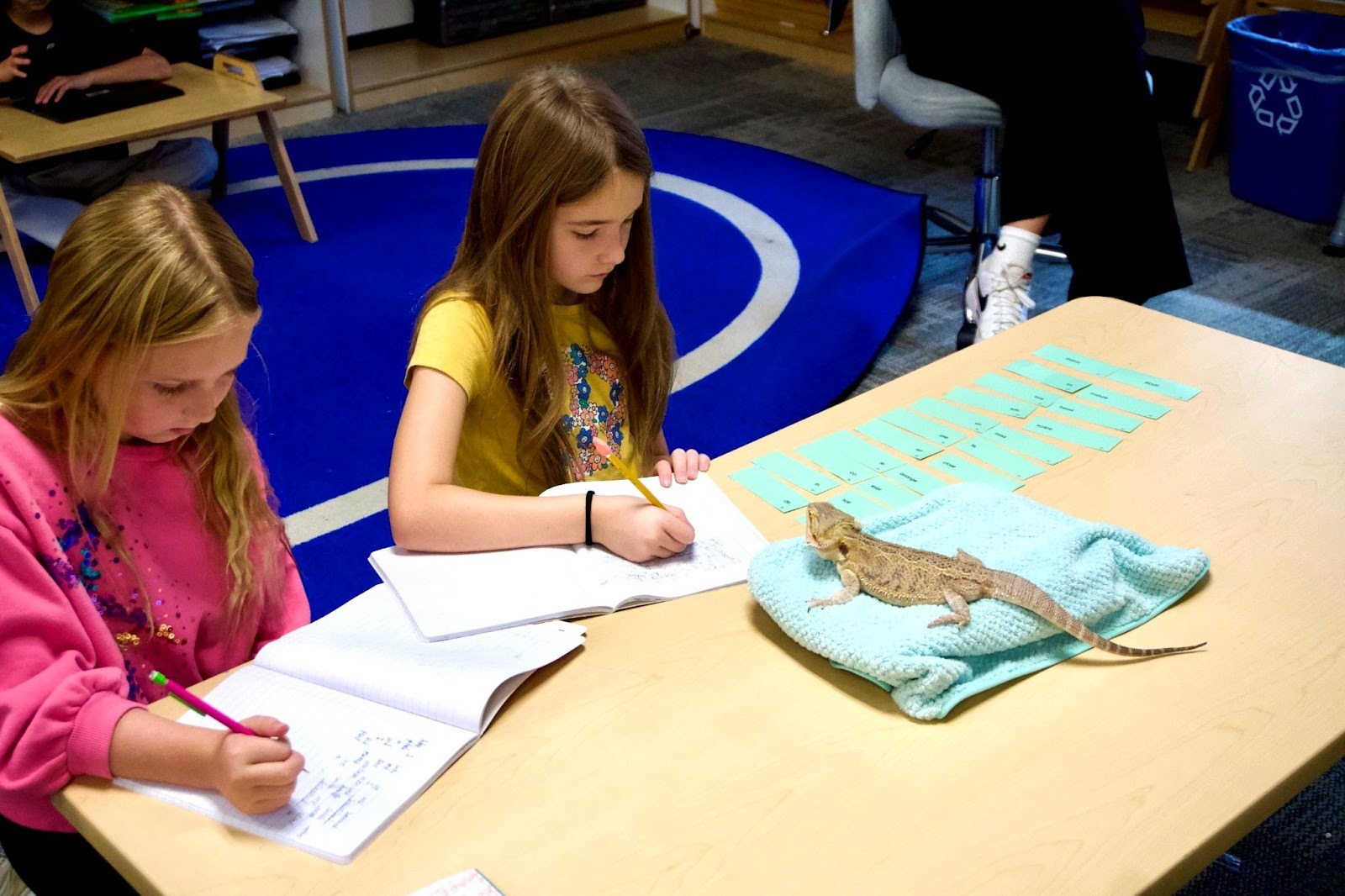
Project-Based Learning is an approach where students learn by working on meaningful, real-world projects that require them to think, create, and problem-solve.
Instead of passively receiving information, students apply what they learn.
What Makes PBL Different From Traditional Learning?
In a traditional classroom, a typical lesson might include:
- A lecture
- A worksheet
- A short quiz
In Project-Based Learning, students might spend several days—or even weeks—exploring a big question or challenge.
For example:
- Designing a mini-business
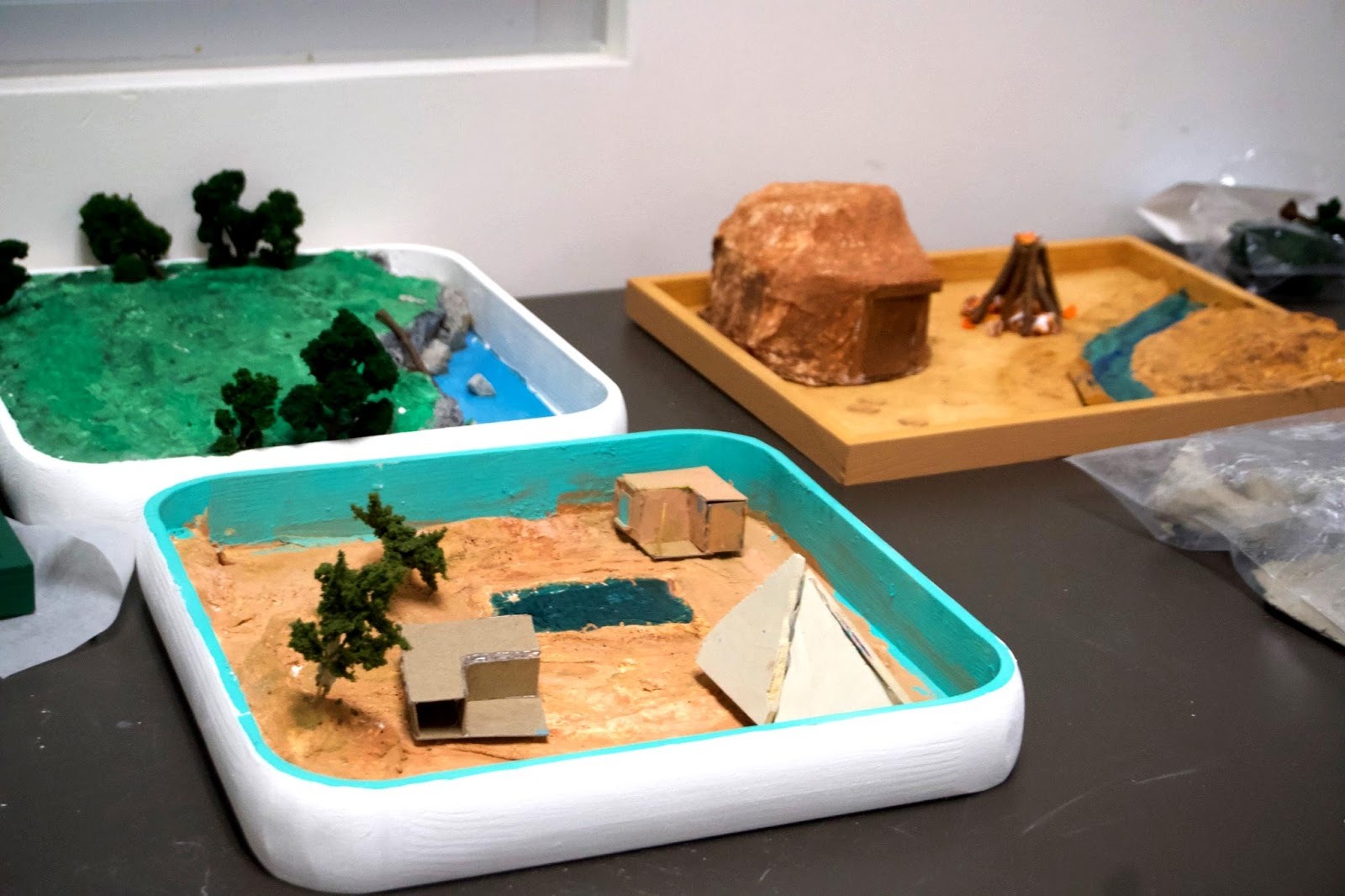
- Building a model community
- Creating a solution to an environmental problem
- Researching and presenting on a real historical issue
Every subject (reading, writing, math, science, social studies) can be woven into the project naturally.
Key Elements of Project-Based Learning
1. A Real-World Problem or Question
Students work on challenges that feel meaningful and connected to life outside the classroom.
2. Student Voice and Choice
Learners make decisions about how they research, design, and present their work.
3. Inquiry and Exploration
Instead of being told the answers, students investigate and discover them.
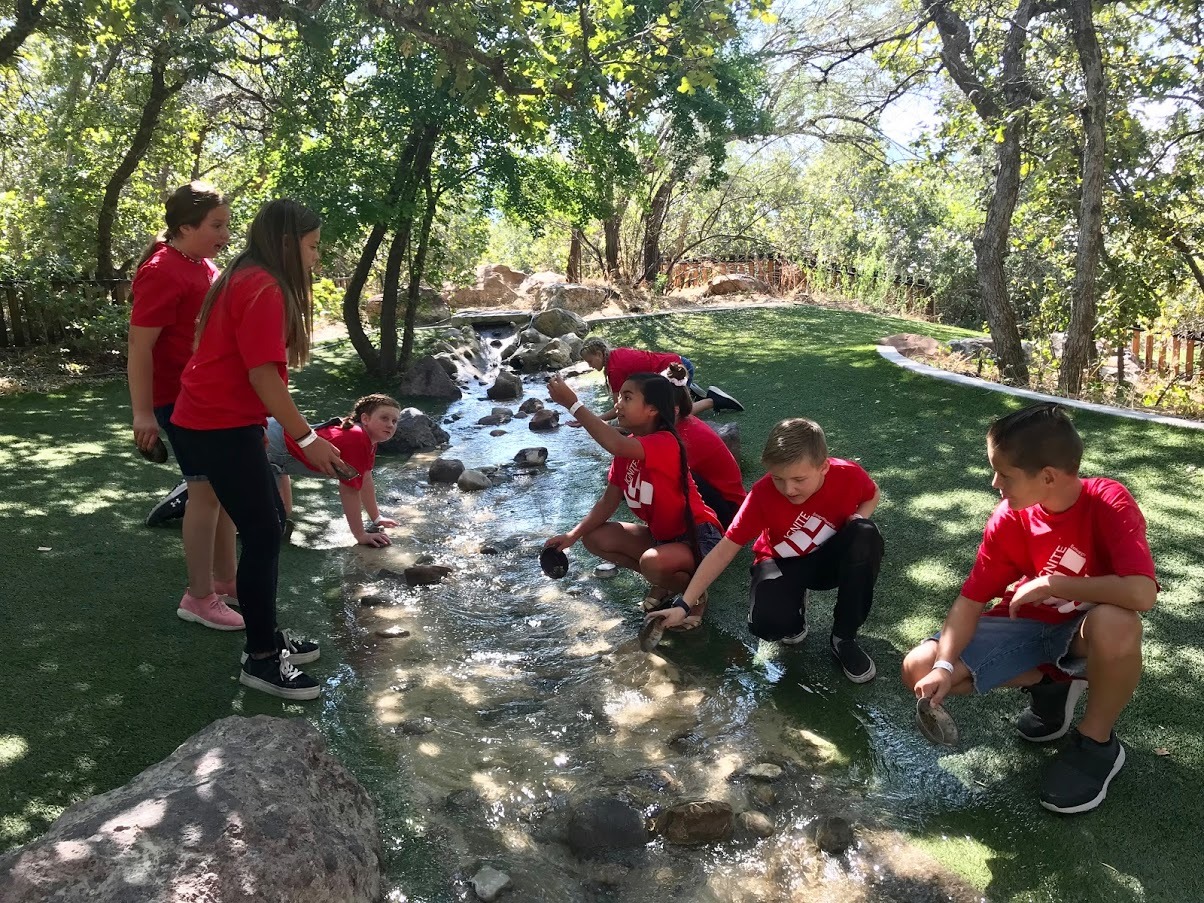
4. Collaboration
Projects often require teamwork—planning, communicating, dividing responsibilities, and solving problems together.
5. A Final Product or Presentation
Students create something to share: a model, a presentation, a business pitch, a written report, a prototype, or a performance.
6. Reflection and Feedback
Students look back on what worked, what didn’t, and how they can improve—just like adults in the real world.
What Project-Based Learning Looks Like for Younger Children
Parents sometimes wonder whether PBL works for younger grades. The answer is yes—when done well.
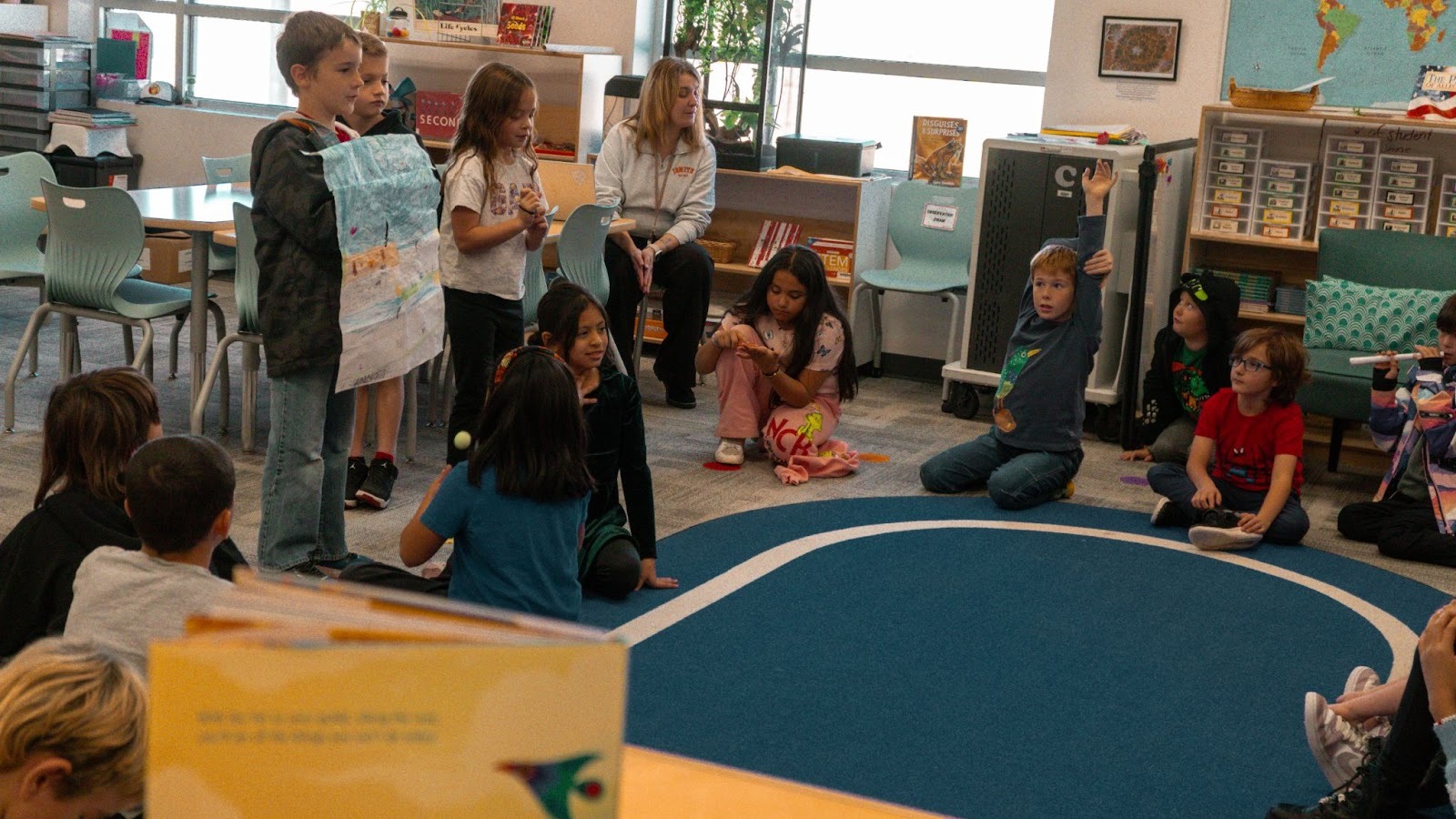
In elementary settings, PBL might look like:
- Building a simple bridge using popsicle sticks while learning about force and weight
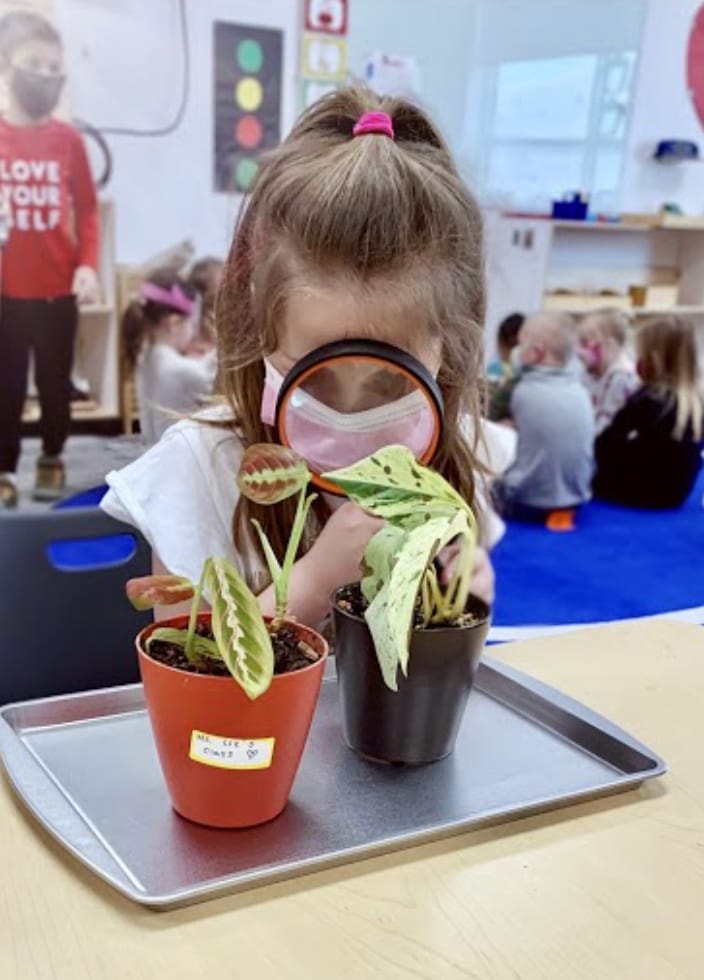
- Creating a class garden and tracking plant growth
- Interviewing family members for a heritage project
- Designing a small “store” to practice math, money, and communication skills
Young learners thrive with hands-on learning because it connects abstract ideas to something real.
Benefits of Project-Based Learning
Deeper Understanding
Children remember what they experience, not what they memorize for a test.
Better Critical Thinking
Students learn to ask good questions, analyze information, and solve open-ended problems.
Stronger Communication Skills
Presentations and teamwork teach kids how to speak clearly, listen well, and collaborate.
Increased Confidence
Finishing a challenging project builds real accomplishment.
Natural Integration of Subjects
PBL blends reading, writing, math, science, and social studies into one meaningful experience.
Why More Schools in Utah Are Using PBL
Utah’s education landscape—especially in Utah County and Silicon Slopes—has seen a rising demand for learning models that prepare students for real life, not just tests.
Project-Based Learning supports skills like:
- Innovation
- Problem-solving
- Initiative
- Teamwork
- Creativity
These skills align well with the entrepreneurial and tech-forward culture of the surrounding community.
How to Tell if a School Truly Uses Project-Based Learning
Not every school that mentions PBL actually uses it consistently. Look for:
- Student work on display that shows depth
- Projects that last more than a day
- Classrooms where students are active participants, not passive listeners
- Teachers who guide rather than lecture
- Opportunities for students to present or share their work
Authentic PBL has structure, planning, and purpose—not just “fun activities.”
Project-Based Learning helps children become curious thinkers, confident communicators, and capable problem-solvers. When done well, it creates classrooms full of exploration and meaning—places where students understand why they’re learning, not just what they’re learning.
Ready to join IEA?
Give your child a Montessori foundation and entrepreneurial wings. Apply to the Ignite Entrepreneurship Academy enrollment lottery today.
Apply to the lottery