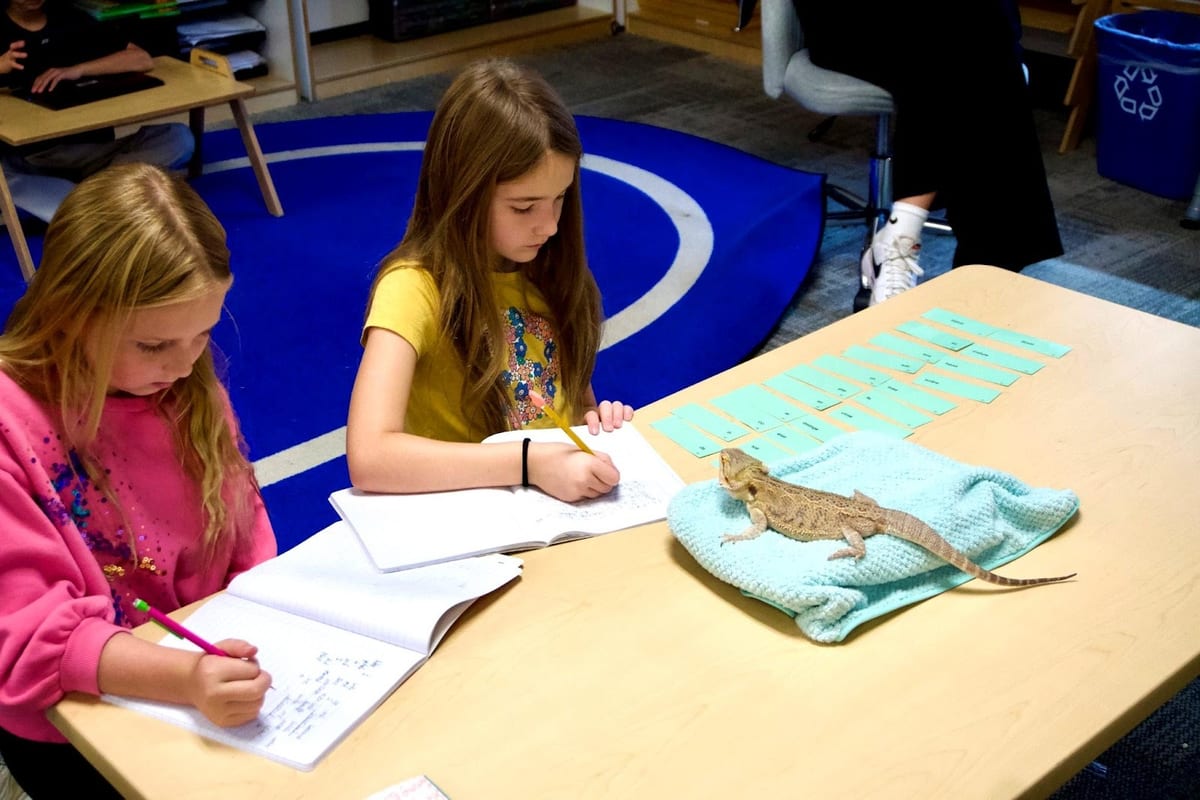
Why Project-Based Learning Schools Are Growing in Utah County
If you’ve been looking at school options in Utah County, you’ve probably noticed more charter schools talking about Project-Based Learning (PBL). It’s starting to show up everywhere, and families are paying attention. PBL isn’t a fad. It’s gaining traction because it simply works for a lot of kids who don’t connect with the traditional sit and listen model many of us experienced growing up.
So what makes it different? The easiest way to understand PBL is to look at what you’d see when you walk into one of these classrooms.
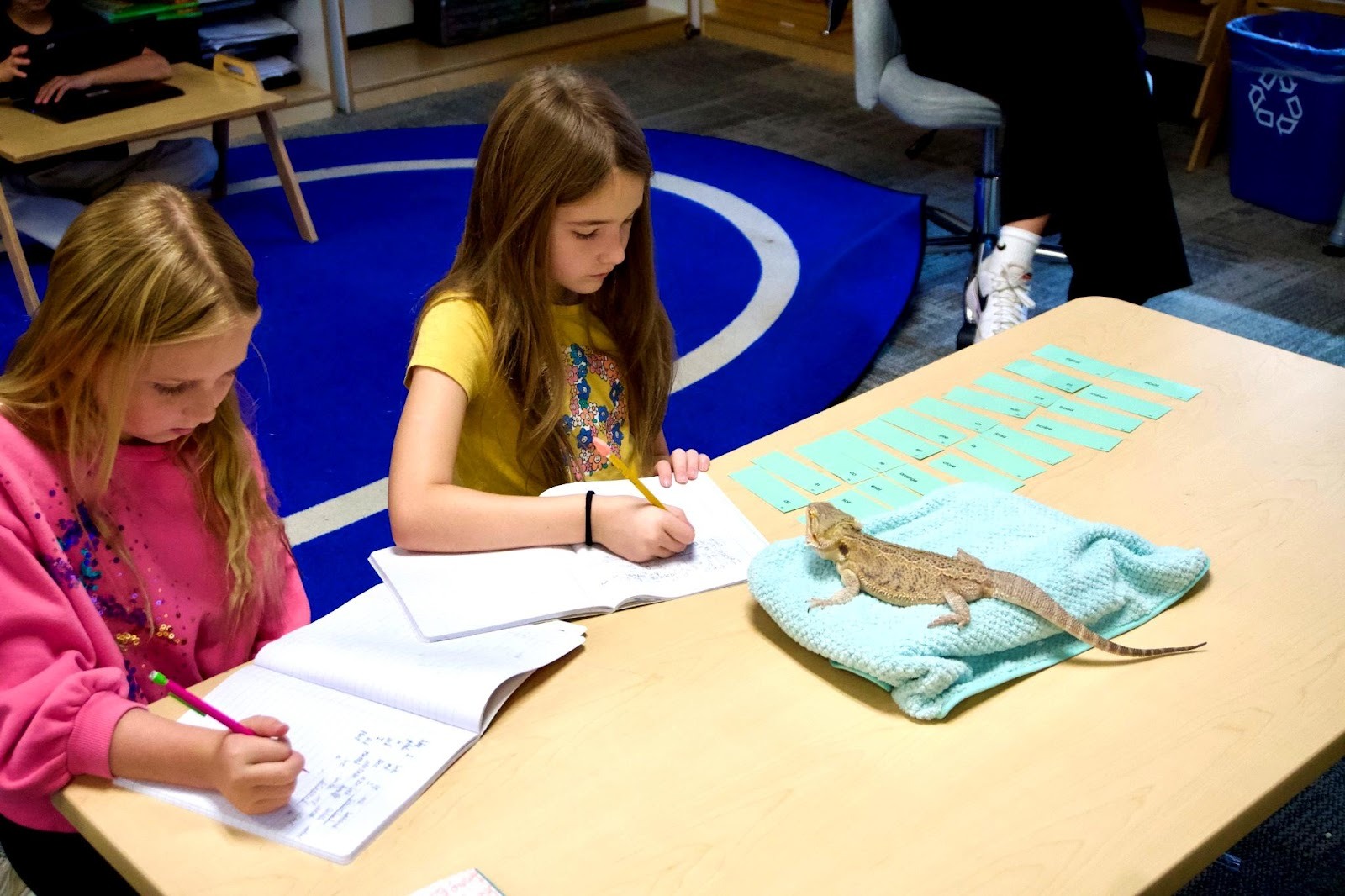
Walking Into a PBL Classroom vs a Traditional Classroom
Most parents can feel the difference immediately.
Traditional Classroom
In a more traditional setting, you typically see:
- Students in rows
- A teacher at the front delivering the lesson
- Everyone working on the same worksheet
- A quiet, structured environment
- Students preparing for tests
Plenty of students do just fine in this setup, but it doesn’t fit every type of learner, especially kids who need movement, hands on work, or the chance to explore ideas instead of memorizing them.
Project-Based Learning Classroom
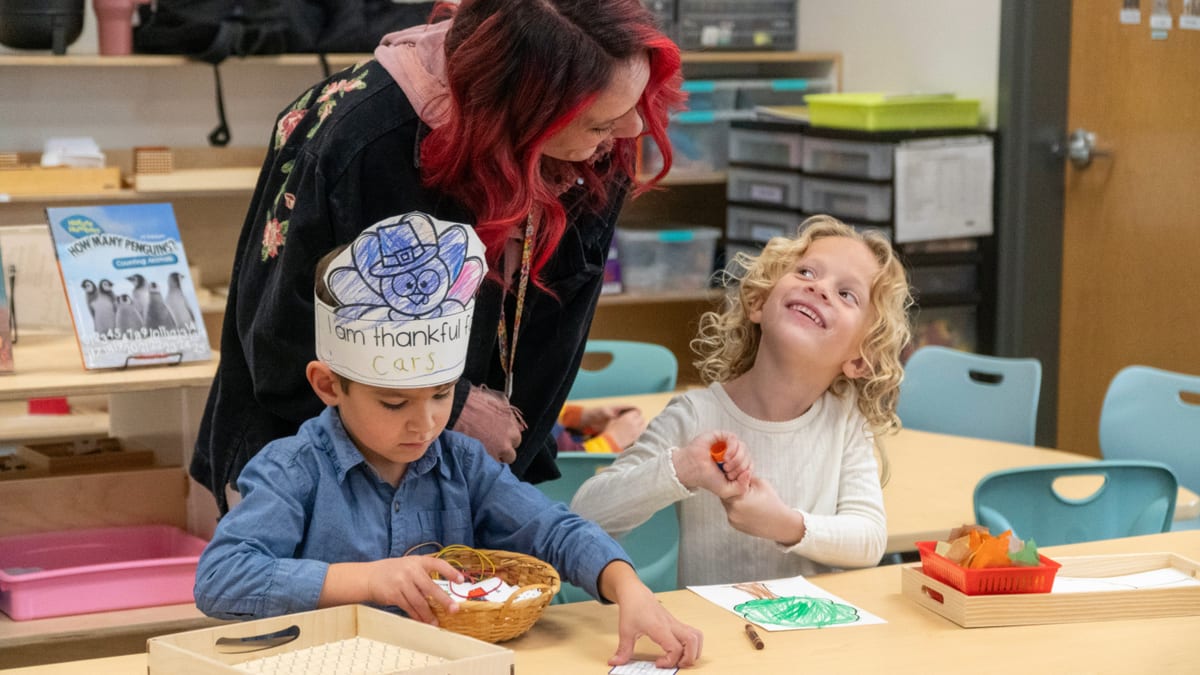
A PBL classroom looks and feels completely different:
- Students work together in groups
- The teacher moves around the room, supporting instead of lecturing
- Kids are researching, building, designing, or solving a problem
- Materials are spread out including whiteboards, sticky notes, Chromebooks, and project supplies
- Conversations are happening everywhere, kids sharing ideas, debating, planning
- Activities connect to real situations and real problems
It feels more like a creative workspace. Kids aren’t just trying to remember information. They’re using it.
Why PBL Works
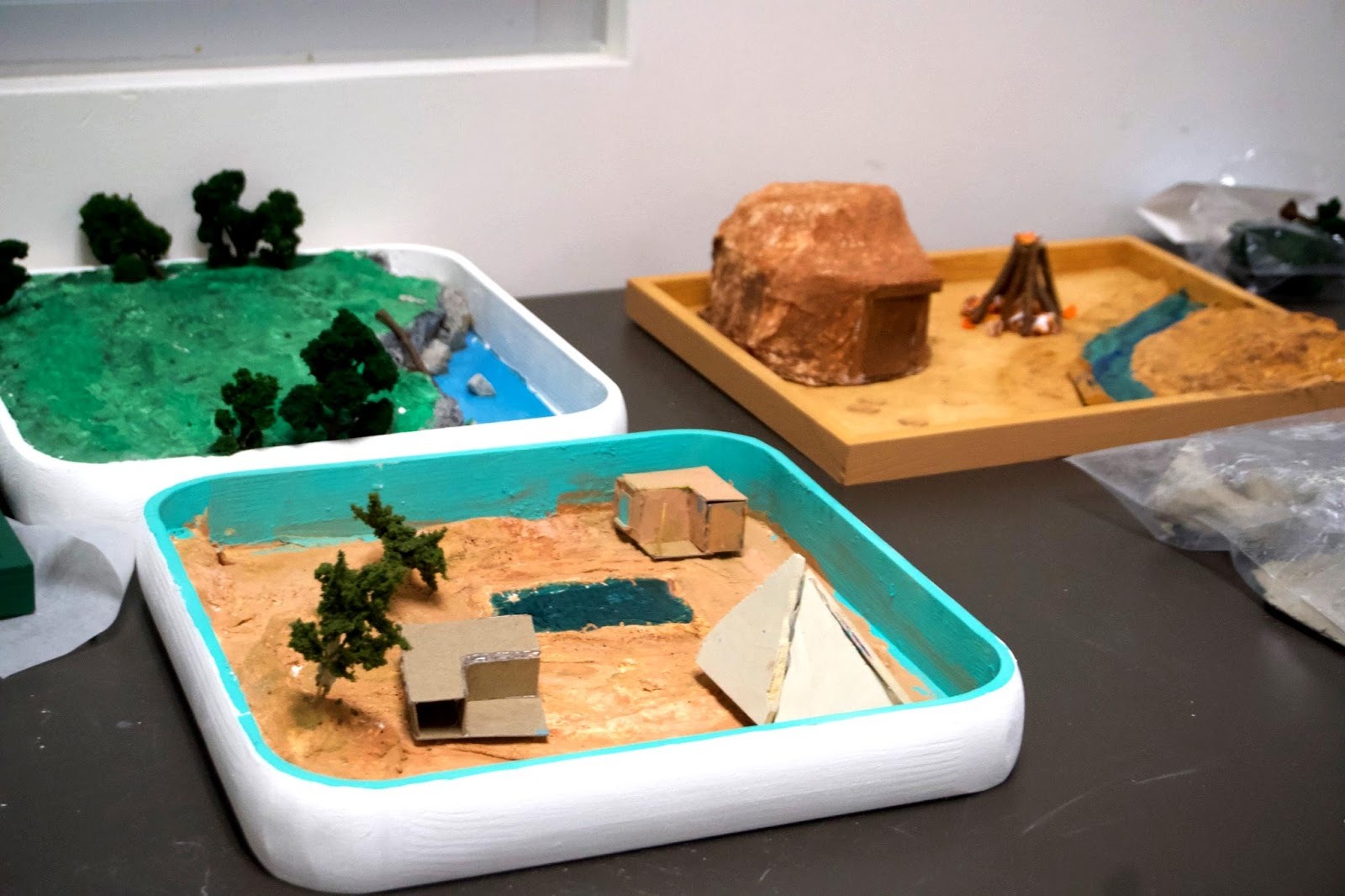
PBL isn’t just more projects. It’s a way of teaching that brings together different subjects and skills through meaningful work. A single project might blend:
- Reading and writing
- Math
- Science
- Art and design
- Communication
- Collaboration
- Critical thinking
Because the learning is connected and purposeful, students tend to stay more engaged. Parents often say their kids start talking about school again, which is usually the first sign that something is clicking.
Why Utah County Parents Are Choosing PBL
Families here value education, but many are looking for something that meets kids where they are. PBL is growing quickly in Utah County for a few reasons.
Real world skill building
Parents want kids to become problem solvers, not just test takers. PBL naturally teaches teamwork, leadership, communication, and independence.
Higher engagement
Hands on, active learning helps students who struggle in desk bound environments. Kids stay involved because they’re doing work that feels meaningful.
A strong alternative to the traditional model
With more parents exploring charter options, hybrid learning, and different educational paths, PBL offers structure without rigidity. It works well for families who want a middle ground.
Learning that sticks
When kids learn by doing, they understand concepts more deeply and retain them longer.
Better fit for diverse learners
PBL supports creative thinkers, active hands on learners, gifted students, kids who need movement, and students who feel lost in large test focused classrooms. Parents appreciate that PBL makes room for different personalities and learning styles.
What Parents Are Seeing
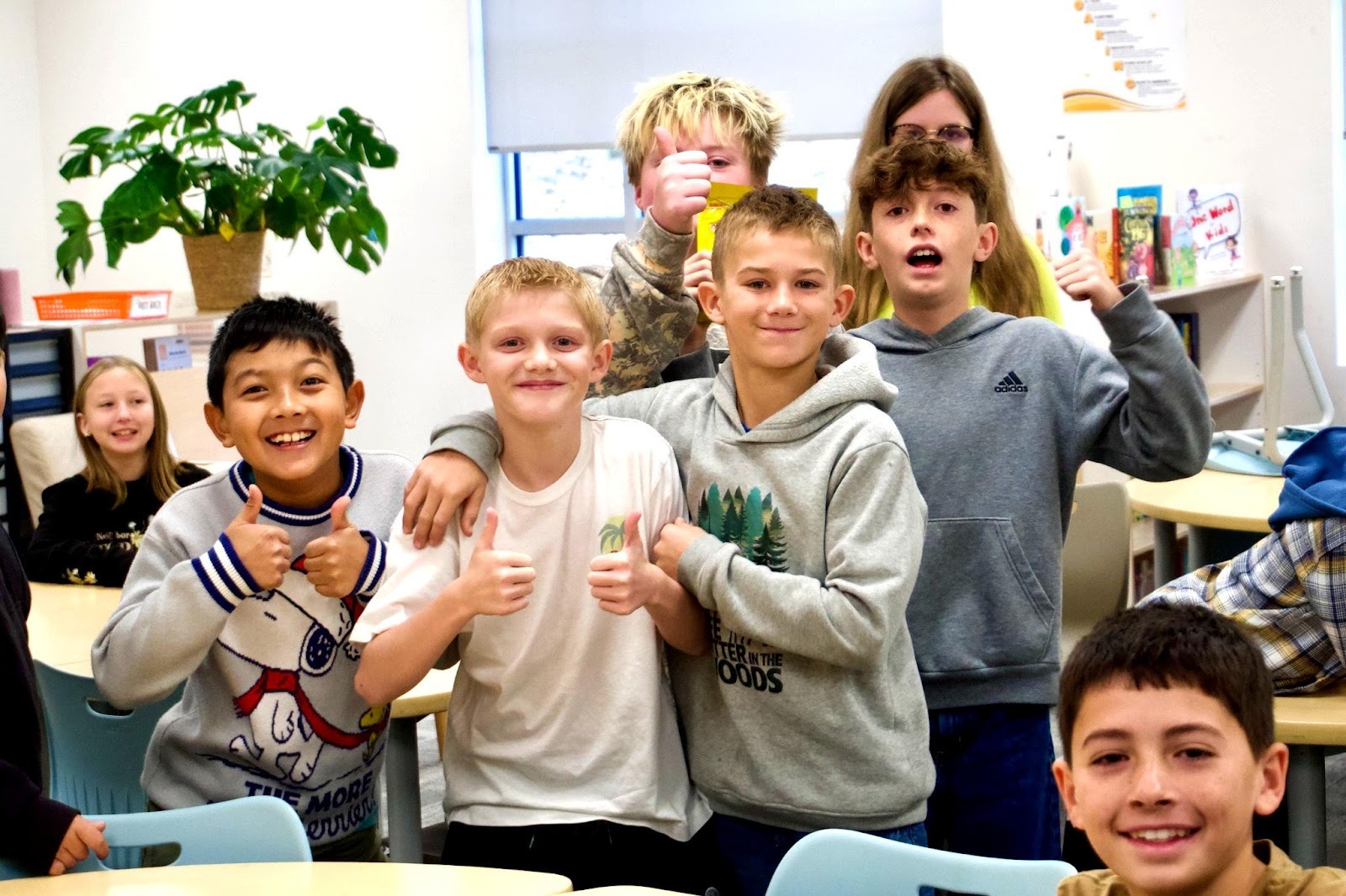
Families who switch to a PBL school often notice their children:
- enjoy school more
- talk about what they learned
- understand the purpose behind their work
- take more ownership
- become more confident in group situations
This is a big reason project-based learning schools in Utah are growing. The approach tends to create students who are more curious, more motivated, and more engaged.
Bottom Line
Walking into a PBL classroom shows you exactly why this model is expanding in Utah County. Kids are building, thinking, questioning, solving, experimenting, and working together. It just feels different, and the learning reflects that.
If you’re considering a project-based learning school in Utah, visiting a classroom in person can tell you more than any brochure or website ever could. The energy is obvious the moment you walk through the door.
Ready to join IEA?
Give your child a Montessori foundation and entrepreneurial wings. Apply to the Ignite Entrepreneurship Academy enrollment lottery today.
Apply to the lotteryCategories
Related Posts
Why More Utah Families Are Choosing Charter Schools
Learn why charter schools in Utah are growing in popularity. Discover the benefits of project-based learning, Montessori, Classical, STEM, Waldorf programs.
The Best Charter Schools in Utah County: What Parents Should Look For
Discover what the best charter schools in Utah County offer and how to choose the right fit for your child. Learn about PBL, Montessori, Classical, STEM.